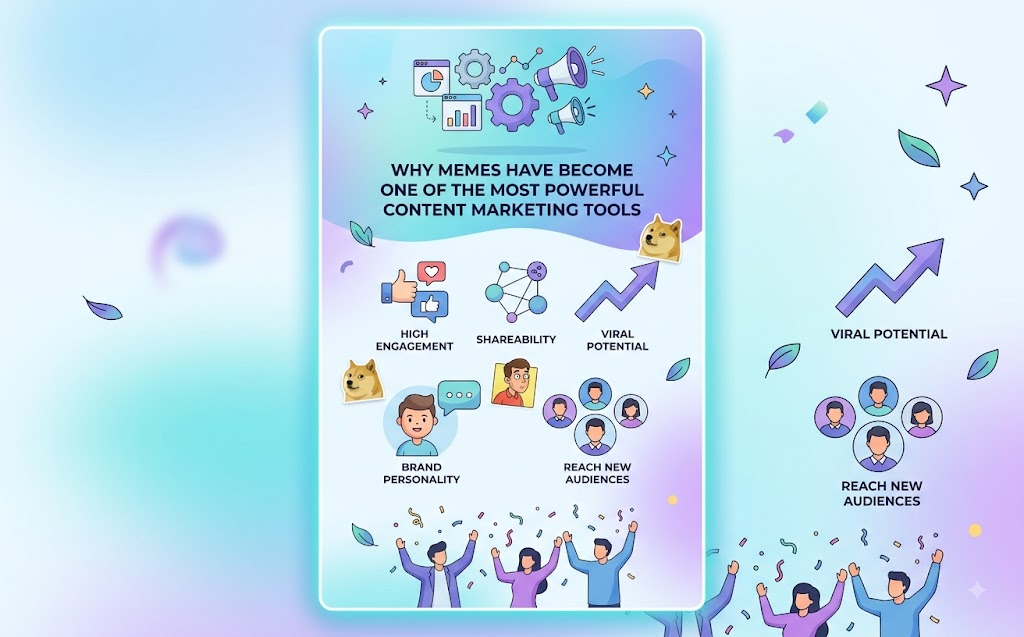
Every day, millions of people scroll through social media looking for something that catches their attention. They skip polished advertisements, ignore generic promotions, and move past repetitive sales messages in seconds. Yet a clever meme often stops that endless scrolling. It sparks a laugh, starts a conversation, or encourages someone to share it with friends. That simple interaction can dramatically increase a brand’s visibility without requiring a massive advertising budget.
Businesses of every size have noticed this shift. What started as internet humor has evolved into a practical marketing strategy that helps brands appear more relatable and approachable. When used thoughtfully, memes can create authentic connections with audiences while supporting broader content marketing goals.
One reason memes are so effective is that they’re incredibly easy to customize for different audiences and campaigns. Whether you’re promoting a product, reacting to a trending topic, or adding personality to your social media presence, a meme creator allows you to quickly turn ideas into polished visuals without needing advanced design experience.
People naturally remember experiences that make them feel something. Humor is one of the strongest emotional triggers because it creates positive associations with the content being viewed.
Instead of interrupting someone’s day with another advertisement, a funny post offers entertainment first. That shift changes how audiences perceive a brand. Rather than feeling marketed to, they feel included in a shared experience.
This emotional connection often leads to higher engagement rates. People comment, tag friends, save posts, and share them across platforms, extending the content’s reach organically.
Many assume memes only belong on entertainment pages, but they’re surprisingly versatile.
A software company might joke about forgotten passwords.
A fitness coach could create relatable content about skipping leg day.
An online retailer may laugh about abandoned shopping carts.
Even financial consultants and healthcare organizations have found tasteful ways to use humor while maintaining professionalism.
The format matters less than understanding your audience’s everyday experiences.
Trending formats can generate impressive engagement, but only when they genuinely fit your message.
Jumping onto every viral trend often produces content that feels forced. Instead, look for opportunities where the joke naturally aligns with your brand or industry.
Some of the highest-performing memes aren’t based on internet trends at all. They simply highlight common frustrations, workplace situations, customer experiences, or everyday habits that people instantly recognize.
Evergreen humor often continues generating engagement long after a viral trend has disappeared.
The most successful memes rarely contain complicated designs or lengthy explanations.
Readers should understand the joke within a few seconds. If viewers need to analyze the image before they understand it, many will simply keep scrolling.
Use clean layouts, readable fonts, and concise captions. Let the visual and the message work together rather than competing for attention.
Simple content is also easier to consume on mobile devices, where most social media browsing happens.
Humor is subjective, which means every brand should establish clear guidelines before publishing comedic content.
Ask questions like:
Reviewing content carefully helps avoid unnecessary controversies while preserving your brand’s credibility.
Creating great content isn’t just about creativity. It’s also about learning what resonates.
Monitor metrics such as:
These insights reveal patterns over time. You might discover that industry-specific jokes consistently outperform trending templates or that certain posting times lead to stronger engagement.
Small improvements based on real performance data often produce better long-term results than constantly chasing viral moments.
A single viral post can introduce thousands of new people to your brand, but consistent engagement builds lasting communities.
Respond to comments, encourage conversations, and invite followers to share their own experiences. The more interactive your content becomes, the more likely your audience will continue returning.
Memes should complement—not replace—your educational articles, customer stories, tutorials, and product updates. Together, they create a balanced content strategy that informs, entertains, and strengthens trust.
Memes have become much more than passing internet jokes. They’re an effective communication tool that helps brands connect with audiences in a genuine, memorable way. By focusing on authenticity, relevance, and thoughtful execution, businesses can use humor to increase engagement while building stronger relationships with their communities. When entertainment and value work together, every post has a greater chance of leaving a lasting impression.